
Official distributor in Russia and CIS countries
Navigation through applications
Higher-level applications

ID:
Maintaining process humidity in workshops to prevent material deformation, electrostatic discharge, and product defects. Textiles, printing, woodworking, electronics, painting.
Current application

ID: 194
Air Humidification in Furniture Production
Maintaining 45–60% humidity in wooden furniture processing and assembly workshops. Preventing wood drying and cracking at low humidity. Ensuring stable conditions for gluing, sanding, and painting without material swelling.
Similar applications

ID: 79
Eliminating static electricity in textile, printing, electronics industries, and hazardous environments. Preventing product defects, material sticking, and spark generation by maintaining optimal humidity levels.

ID: 171
Maintaining air humidity in paint booths within 40–60% during winter period. Preventing premature drying of paints and coatings, eliminating orange peel and crater defects. Creating fine mist without droplet formation and runs on painted surfaces.

ID: 172
Maintaining optimal humidity in spinning and weaving workshops. Increasing yarn strength and elasticity, reducing thread breakage. Eliminating static electricity buildup on fabric and equipment, reducing airborne dust and improving working conditions.

ID: 173
Maintaining air humidity in printing facilities and typography within 50–60%. Preventing paper curling and static electricity buildup during sheet feeding. Ensuring uniform ink drying and precise registration in multi-color printing processes.

ID: 174
Maintaining humidity at paper and cardboard manufacturing facilities. Preventing drying and edge deformation of paper and cardboard, reducing material strength loss. Ensuring stable conditions during cutting, printing, and gluing to reduce defect rates.

ID: 183
Maintaining humidity in medical bandage and surgical suture production. Preventing static buildup on fibers, reducing thread breakage during weaving. Lowering airborne dust for medical cleanliness compliance.

ID: 186
Maintaining 40–60% humidity in electronics assembly. Preventing ESD damage to microchips. Reducing dust attraction to PCBs. Protecting components from static breakdown.

ID: 188
Maintaining humidity in paint booths to prevent coating defects. Humidification during sandblasting to suppress dust. Creating climatic conditions during engine testing. Stabilizing air parameters for test reproducibility.

ID: 189
Maintaining 50–60% humidity in pyrotechnics and explosives production. Critical safety measure: preventing static buildup capable of initiating spark and detonation in compliance with Industrial safety regulations.

ID: 190
Maintaining 60–70% humidity in tobacco storage and cigarette production. Preventing leaf brittleness at low humidity. Eliminating mold risk from over-humidification. Ensuring uniform burning and stable product quality.

ID: 191
Adiabatic cooling of workstations near glass melting furnaces. Reducing air temperature through fine mist evaporation. Settling glass dust and improving working conditions in hot workshops.

ID: 193
Maintaining humidity during concrete and ceramic product manufacturing. For concrete — preventing rapid drying leading to cracks and strength loss. For ceramics — drying control, preventing deformation and cracking of products.
ID: 194
Maintaining 45–60% humidity in wooden furniture processing and assembly workshops. Preventing wood drying and cracking at low humidity. Ensuring stable conditions for gluing, sanding, and painting without material swelling.
Products for the application
Equipment to solve the task: Air Humidification in Furniture Production

ID: 78
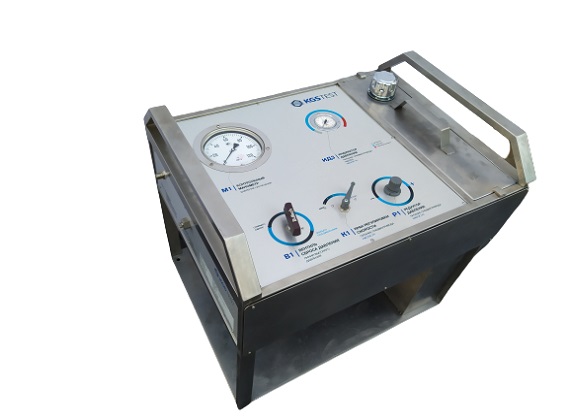
HII 5L-SD-20 chemical pump for high-pressure feeding of chemically active, aggressive liquids, dosing, injecting. Specifications.
ID: 136
Industrial air humidifier for maintaining specified humidity in production areas and processes

ID: 133
Air humidification system for specified indoor climate parameters maintaining
